
Oil Pulling: How This Simple Ritual Can Transform Your Oral Health
Oil pulling is a natural oral detox technique rooted in ancient Ayurvedic medicine. The process involves swishing a tablespoon of natural oil in the mouth to draw out toxins, bacteria, and debris from teeth and gums.
The consistent practice of oil pulling is believed to create a cleaner environment in the mouth and support overall dental and systemic health. Modern adaptations of oil pulling often include the use of oils such as coconut, sesame, or sunflower oil because of their antibacterial and anti-inflammatory properties.
People typically practice oil pulling in the morning on an empty stomach as a supplement to brushing and flossing, not as a replacement.
Benefits of Oil Pulling
Balances Oral pH Levels
Oil pulling balances oral pH levels by reducing acidity in the mouth, creating a more alkaline environment that discourages bacterial growth. Maintaining proper pH levels supports enamel health and overall mouth freshness.
Reduces Dryness in the Mouth
Oil pulling reduces dryness in the mouth by coating tissues with a natural lubricating layer. This benefit is especially helpful for people who experience dry mouth due to medications or dehydration.
Promotes Enamel Strength
Oil pulling promotes enamel strength by shielding teeth from daily wear caused by acidic foods and drinks. The consistent protective coating from oil helps preserve the integrity of tooth enamel.
Soothes Oral Tissues
Oil pulling soothes oral tissues by calming minor irritations and reducing sensitivity in the inner cheeks, tongue, and roof of the mouth. This gentle effect supports comfort for individuals with tender spots or mouth soreness.
Encourages Saliva Production
Oil pulling encourages saliva production by stimulating glands through swishing movements. Increased saliva flow helps naturally wash away food particles, neutralize acids, and support overall oral hydration.
Supports Systemic Detoxification
Oil pulling supports systemic detoxification by removing oral toxins before they enter the bloodstream. According to Ayurvedic principles, this process contributes to enhanced overall vitality and wellness.
How to Do Oil Pulling (Step-by-Step Guide)

Choose Your Oil
Choose an organic, cold-pressed oil like coconut, sesame, or sunflower oil to ensure purity and effectiveness. Coconut oil is especially popular because of its pleasant taste and antibacterial components such as lauric acid.

Measure and Swish
Measure one tablespoon of oil and place it in your mouth. Begin swishing the oil gently and continuously around the mouth, ensuring it reaches between the teeth and under the tongue for 10 to 20 minutes.

Spit Out the Oil
Spit out the oil into a trash can rather than the sink, as the thick consistency can clog drains. The oil should appear milky or cloudy when expelled, indicating that it has trapped toxins and debris.

Rinse the Mouth
Rinse your mouth thoroughly with warm water to remove any residual oil and contaminants. This step is important for preventing reabsorption of the pulled toxins.

Brush Your Teeth
Brush your teeth using a fluoride-free, natural toothpaste to clean any remaining residue and complete the cleansing routine. Brushing after oil pulling ensures a fresh and bacteria-free mouth.
Best Oils for Oil Pulling
Coconut Oil
Coconut Oil is widely recommended due to its high content of lauric acid, a compound known for its strong antimicrobial and anti-inflammatory effects. The pleasant flavor and smooth texture make coconut oil a user-friendly option for daily oil pulling.

Sesame Oil
Sesame Oil is one of the oldest oils used in Ayurvedic practices and contains antioxidants and anti-plaque agents. The warming nature of sesame oil may be particularly helpful in reducing inflammation and soothing sore gums.

Sunflower Oil
Sunflower Oil offers a light taste and a smooth, fluid texture that some people find more palatable. The oil contains compounds that support detoxification and help in the gentle cleansing of the oral cavity.

Olive Oil
Olive Oil is rich in polyphenols and healthy fats that may support gum healing and reduce sensitivity. Although it is less common for oil pulling, olive oil can be a beneficial alternative for individuals who prefer its robust taste.

Oil Pulling for Specific Purpose Applications

Teeth Whitening
Oil pulling for teeth whitening reduces yellowing and surface stains caused by diet or lifestyle choices. The natural emulsification process of oil helps gently lift stains without harsh abrasives or chemicals.

Gum Health
Oil pulling supports gum health by improving circulation in gum tissues and minimizing harmful bacteria. Consistent use can reduce gum tenderness and improve the appearance of swollen or irritated areas.

Cavity Protection
Oil pulling for cavity protection minimizes plaque formation and bacterial acid production that lead to tooth decay. The antimicrobial effects of the oil create an oral environment that resists cavity-causing agents.

Fresh Breath
Oil pulling for fresh breath eliminates bacteria that cause chronic halitosis by disrupting biofilm layers. The process enhances oral cleanliness and leads to longer-lasting freshness compared to standard rinses.

Mouth Ulcers and Dry Mouth
Oil pulling helps with mouth ulcers by providing a soothing layer that protects inflamed tissue. People with dry mouth benefit from the lubricating action of oil, which helps reduce irritation and promote healing.

Plaque Control
Oil pulling supports plaque control by breaking down biofilm and preventing buildup on teeth surfaces. The swishing action loosens debris and limits bacterial adherence, making daily brushing more effective.
Oil Pulling for Treating Specific Diseases

Bleeding Gums
Oil pulling for bleeding gums reduces inflammation and bacterial buildup along the gum line, which are common triggers for bleeding. People with this condition often report visible improvement within a week of regular use.

Gingivitis
Oil pulling helps with gingivitis by breaking down plaque deposits and promoting better gum adhesion to the teeth. Oils like sesame and coconut reduce microbial irritants that worsen gum inflammation.

Tooth Abscess
Oil pulling for a tooth abscess may reduce surface infection symptoms by limiting bacterial spread. While oil pulling offers relief, it should be used alongside professional dental care.

Sensitive Teeth
Oil pulling coats sensitive teeth and shields them from air and fluid contact that can trigger pain. With consistent use, oil may help remineralize enamel and reduce nerve irritation.
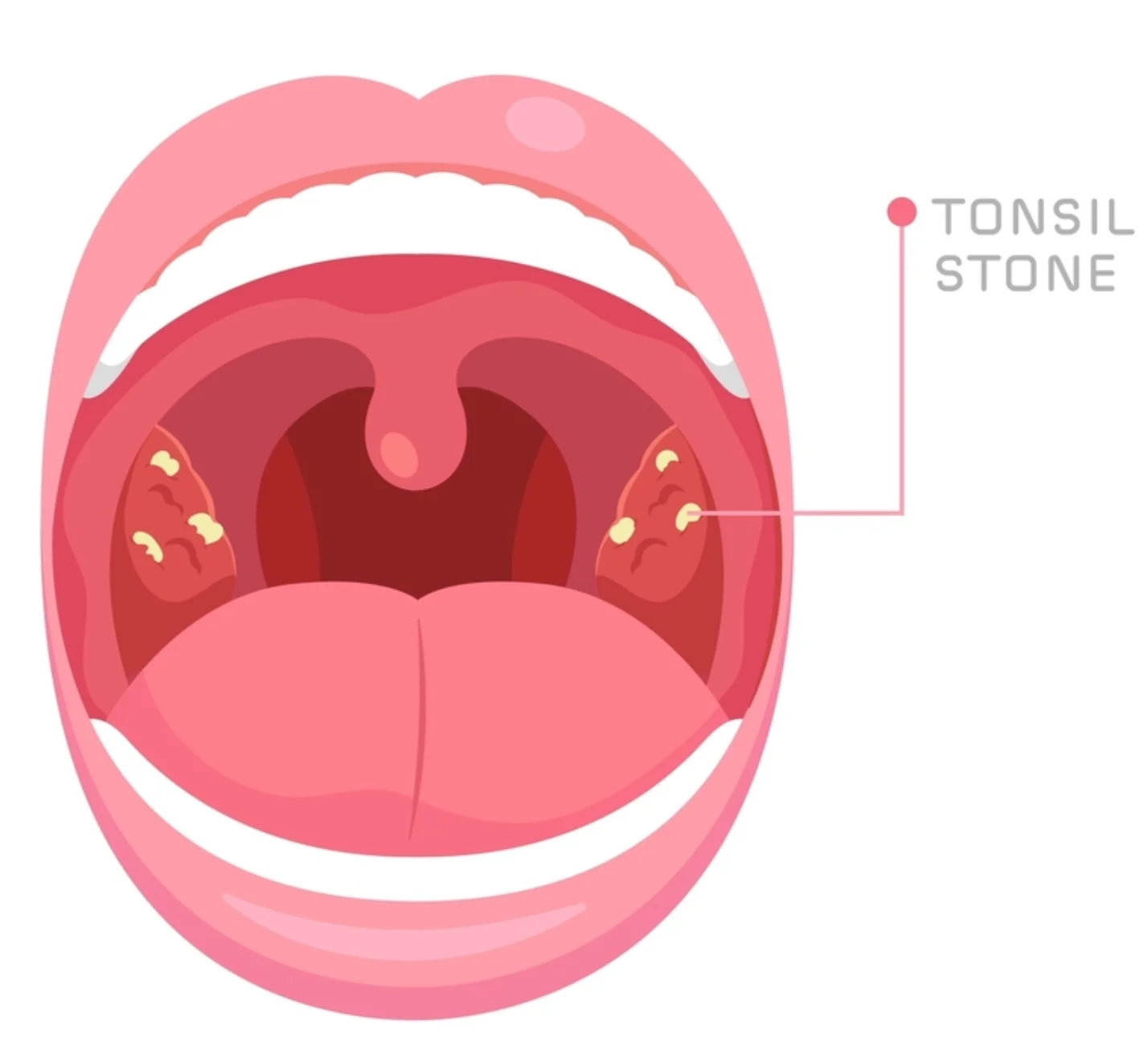
Tonsil Stones
Oil pulling loosens trapped food particles and bacteria from the tonsil area, which helps reduce the frequency of tonsil stone formation. The antiseptic properties of coconut oil are especially helpful in managing these symptoms.

Oral Infections
Oil pulling supports recovery from minor oral infections by reducing microbial load and soothing inflamed tissue. Its antibacterial and anti-inflammatory properties make it a gentle addition to existing dental care for issues like thrush, ulcers, or localized infections.
Frequently Asked Questions
What is oil pulling?
+Oil pulling is an ancient Ayurvedic practice that involves swishing natural oil in the mouth to remove toxins and improve oral hygiene.
Does oil pulling work?
+Oil pulling works by removing harmful bacteria, improving gum health, freshening breath, and promoting cleaner teeth through daily use.
How to oil pull?
+Swish one tablespoon of oil in your mouth for 10 to 20 minutes, then spit it out, rinse your mouth, and brush your teeth.
Does oil pulling whiten teeth?
+Oil pulling can whiten teeth over time by removing surface stains and preventing further discoloration.
What does oil pulling do?
+Oil pulling removes bacteria and toxins, reduces plaque, supports gum health, and contributes to a fresher breath and brighter smile.
How long does oil pull?
+Oil pulling should be done for 10 to 20 minutes daily to achieve the best results.
How often should you oil pull?
+You should oil pull once a day, ideally in the morning before eating or drinking.
Is oil pulling safe?
+Oil pulling is safe for most individuals, though those with allergies should be cautious in choosing the type of oil.
Can you oil pull with coconut oil?
+Yes, coconut oil is the most commonly used and recommended oil due to its pleasant taste and antibacterial benefits.
Can you oil pull with olive oil?
+Yes, olive oil can be used for oil pulling and is beneficial for those who prefer its texture and taste.
Can you oil pull with braces?
+Yes, oil pulling is safe for people with braces and may help maintain hygiene around brackets and wires.
How many times a day should you oil pull?
+Once per day is generally enough, but in cases of acute inflammation, it can be done twice.
Can you oil pull at night?
+Yes, oil pulling can be done at night, especially after your last meal.
Can you use mouthwash after oil pulling?
+Yes, though it is optional. If used, alcohol-free mouthwash is recommended to avoid irritation.
Do dentists recommend oil pulling?
+Some holistic dentists recommend oil pulling, while others await more clinical evidence before endorsing it.
Should you brush after oil pulling?
+Yes, brushing after oil pulling removes residual toxins and ensures full mouth cleanliness.
Can you eat after oil pulling?
+Yes, you can eat after rinsing and brushing your teeth post oil pulling.
Can you oil pull with fillings?
+Yes, oil pulling is generally safe with dental fillings, but people with older fillings should monitor for sensitivity.
Why do my teeth hurt after oil pulling?
+Your teeth may hurt due to sensitivity or underlying conditions. Try reducing swishing time and consult a dentist if pain persists.
Can you drink water after oil pulling?
+Yes, water can be consumed after thoroughly rinsing and brushing your teeth.
Can you oil pull every day?
+Yes, daily oil pulling is considered safe and beneficial for maintaining oral hygiene.